Meet Our Founder, Yuan
Combining clinical expertise with personal experience to deliver transformative results

Bachelor in Nutrition & Dietetics, Monash University
10+ Years Clinical Experience
Evidence-Based Practice Specialist
Personal PCOS & Endometriosis Journey
Feng-Yuan Liu
Dietitian, Coach & CEO
With a Bachelor degree in Nutrition and Dietetics from Monash University and over 10 years of clinical experience as a dietitian, Yuan is an expert in human nutrition.
However, her expertise isn’t just from clinical experience, but also from personal experience.
Yuan developed PCOS in her teens and also went on to have endometriosis, which was diagnosed in her 20s.
She tried everything to deal with the pain, the central weight gain and the exhaustion that came with the PCOS and endometriosis, made worse by the stress from owning and operating a half million dollar company.
Through these experiences, Yuan realised that conventional wisdom just wasn’t cutting it. Her energy levels were low, her brain was foggy and everything just felt harder than it should be. This forced her to reassess her knowledge, practice and beliefs around nutrition, and how she could use it to improve energy and peak performance as a business owner.
Yuan was able to, through nutrition, reverse her own PCOS and get her previously serious and rampant endometriosis under control. After 6 surgeries to remove cysts and endo over a 10 year span, her doctors were convinced that natural conception was not possible. However, Yuan beat the odds and last year in 2019 and gave birth to a naturally conceived baby girl, Charli, and again in 2023 with her second baby girl, Stevie.
For her clients, Yuan utilises bleeding-edge research to help them achieve hormonal and metabolic optimization. She believes that nutritional science is a rapidly progressive science, and following guidelines just will not allow her clients to receive the best quality care that is available.
Her passion in nutrition and thirst for being the best and helping her clients be at their best led her to becoming a world renowned dietitian and coach for small business owners striving towards peak performance.
To apply to work with Yuan, please reach out to us via email at [email protected]
Latest Insights
Evidence-based strategies and real-world advice for entrepreneurial health
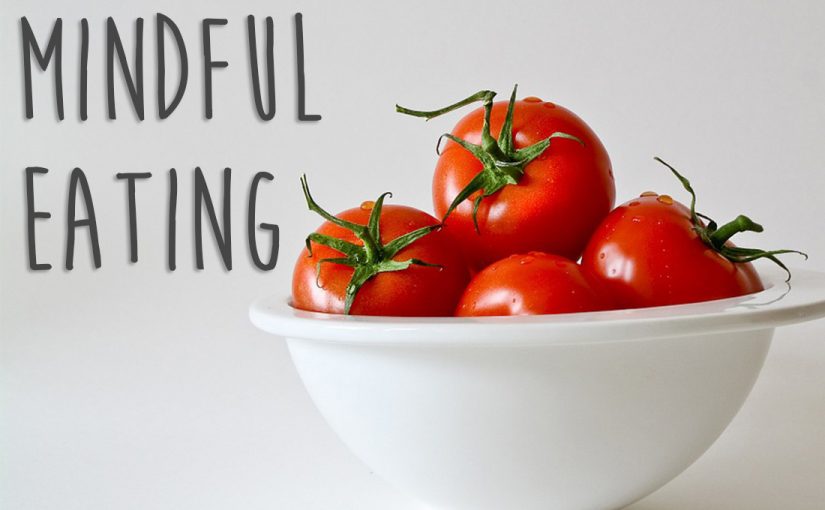
Mindfulness and Weight Management
This month, our fabulous Metro Dietetics team has presented a range of high quality and evidence-based articles around weight management. Today, I am going to showcase some simple strategies that I like to refer to as the missing puzzle pieces of weight management.
I am not going to lie, these will not guarantee you fast or extreme weight loss results in a short period of time. However, these strategies will help to form the basis of healthy lifestyle modification, which goes hand in hand with modifying the types of foods eaten. Furthermore, these strategies will help to ensure slow and steady behavioural changes, which off-set the vicious effects of yo-yo dieting and weight-cycling. The notion is around MINDFULNESS, which I think is fitting given the cult-like behaviours we are seeing more often around our food choices.
Okay, I’m going to cut to the chase. Please read on if you’re with me.
At this point in time, I am focusing on HOW you’re eating rather than WHAT you’re eating.
Eat slowly, chew well
Have you ever considered the pace at which you eat? This is a big one yet it’s not something we consciously think about. More research is demonstrating that the pace at which we eat can influence the quantity of food we ingest at meal times.
In general, those who eat quickly tend to eat more than their counterparts who eat slowly. It takes roughly 10-15 minutes for our gut to signal to our brain that it is feeling full. Therefore, a person who eats slower is better equipped at recognising their body’s ‘fullness’ signal because they have allowed sufficient time for this response to occur, hence are more likely to stop eating before they overeat. In contrast, those who eat quickly are more likely to have already finished their entire dinner plate before feeling overly full.
Take home message and useful tips:
> Slow down the pace of your eating by chewing your food well
> Swallow your food before starting your next mouthful
> Using smaller cutlery can help you to take smaller mouthfuls
> Place your cutlery on the table after each mouthful
This is not something that can be changed over night – you may need to retrain your brain which could take a number of days or even weeks.
Food psychology is important
Many of us have been programmed since children to finish our plate. As a result, we tend to mindlessly fill up our dinner plate to the brim, then feel the need to gobble up every last mouthful.
One tip I encourage is to reduce the size of your dinner plate, if you’ve identified that this is an issue for you. The psychology behind this is that you’re still creating an illusion that your plate is full, which is in fact correct. However, it’s a smaller amount to what you would have typically served up, prompting you to eat less but still be satisfied with that amount. The key is not to make the PILE of food higher. Remember, there will always be more food to go back to if you are still feeling hungry.
The Great Divide
If you’re still feeling unsure about the amount of food to add to your dinner plate, then this might be the strategy for you: dividing your plate up. This strategy is being adopted more often today, and I think it’s a great one.
Here’s how:
1-Fill up your dinner plate and then divide it in half.
2-Eat one half of your dinner plate.
3-Pause for 10-15 minutes. Remember, you must allow time for your brain to register its level of ‘fullness’. Reassess your hunger levels.
4-If you’ve identified that you’re not quite satisfied, divide your plate in half again, so that you are left with two original-sized quarters.
5-Eat one quarter. Pause for 10-15 minutes.
6-Attempt to stop eating at this point if you feel satisfied after your pause. If not, you are entitled to finish the remainder of your plate.
This will not only help you to slow down the pace of your eating, but will also enable you to become moreintuitivewith your eating. A dietitian with a special interest in this approach will be able to provide you more guidance around this strategy.
Minimise distractions at meal times
This point goes hand in hand with Point 1. One reason we are likely to overeat at meal times is due distractions including TVs and phones. How much attention are we really paying to what we’re eating, how we’re eating and how much of it we’re eating? The answer is most likely: very little. I challenge you to trial a TV-free or phone-free meal time, at least three times a week. Instead, focus on the actual activity of eating. Pay closer attention to your food. What does it look like, what does it taste like? Was it saltier than you imagined? Perhaps crunchier than you imagined? How quickly are you eating? Do you need to slow down? Familiarise yourself with the food you’re eating, regardless of whether you cooked it or not. You may discover things you’ve never noticed before. Perhaps you may have never appreciated the time and effort that goes into cooking if you do not routinely cook the food yourself.
Conclusion
These topics are only the tip of the iceberg when it comes to exploring mindful approaches to healthy eating and weight management. While they may not be applicable to everyone, they certainly make up the fundamentals of our eating habits, but are ironically and consistently overlooked as important aspects of our eating.
If you would like specialised advice around mindful eating, make an appointment to see one of our nutrition experts!
References:
Angelopoulos T, Kokkinos A, Liaskos C, et al.The effect of slow spaced eating on hunger and satiety in overweight and obese patients with type 2 diabetes mellitus. BMJ Open Diabetes Research and Care 2014;2:e000013. doi:10.1136/bmjdrc-2013- 000013
Kausman, R. (2004). If Not Dieting, Then What? New South Wales, Australia: Allen & Unwin.
Wilkinson L, Ferriday D, Bosworth ML, Godinot N, Martin N, Rogers PJ, et al. (2016) Keeping Pace with Your Eating: Visual Feedback Affects Eating Rate in Humans. PLoS ONE 11(2): e0147603. doi:10.1371/journal.pone.0147603
Willer, F. (2013). The Non-Diet Approach Guidebook for Dietitians. First Edition. United States: Lulu Publishing Ltd.